
Galápagos Islands Hotels
Where to Stay and What to Know
Hotels in the Galápagos are found on three inhabited islands: Santa Cruz (Puerto Ayora), San Cristóbal (Puerto Baquerizo Moreno), and Isabela (Puerto Villamil). No international hotel chains operate independently in the archipelago — one brand-affiliated property exists (Royal Palm, Curio Collection by Hilton, 2022). Properties range from budget guesthouses to boutique eco-lodges. A land-based stay gives access to roughly a third of available visitor sites.
The Three Islands with Hotels
The Galapagos is not a destination you book casually. It requires coordinating permits, naturalist guides, park fees, and a transport chain that starts in Quito or Guayaquil. Most visitors underestimate the lead time — 6 to 12 months advance booking for quality cruises is the norm, not the exception. Understanding the full picture before you start searching dates and prices will save you time, money, and frustration.
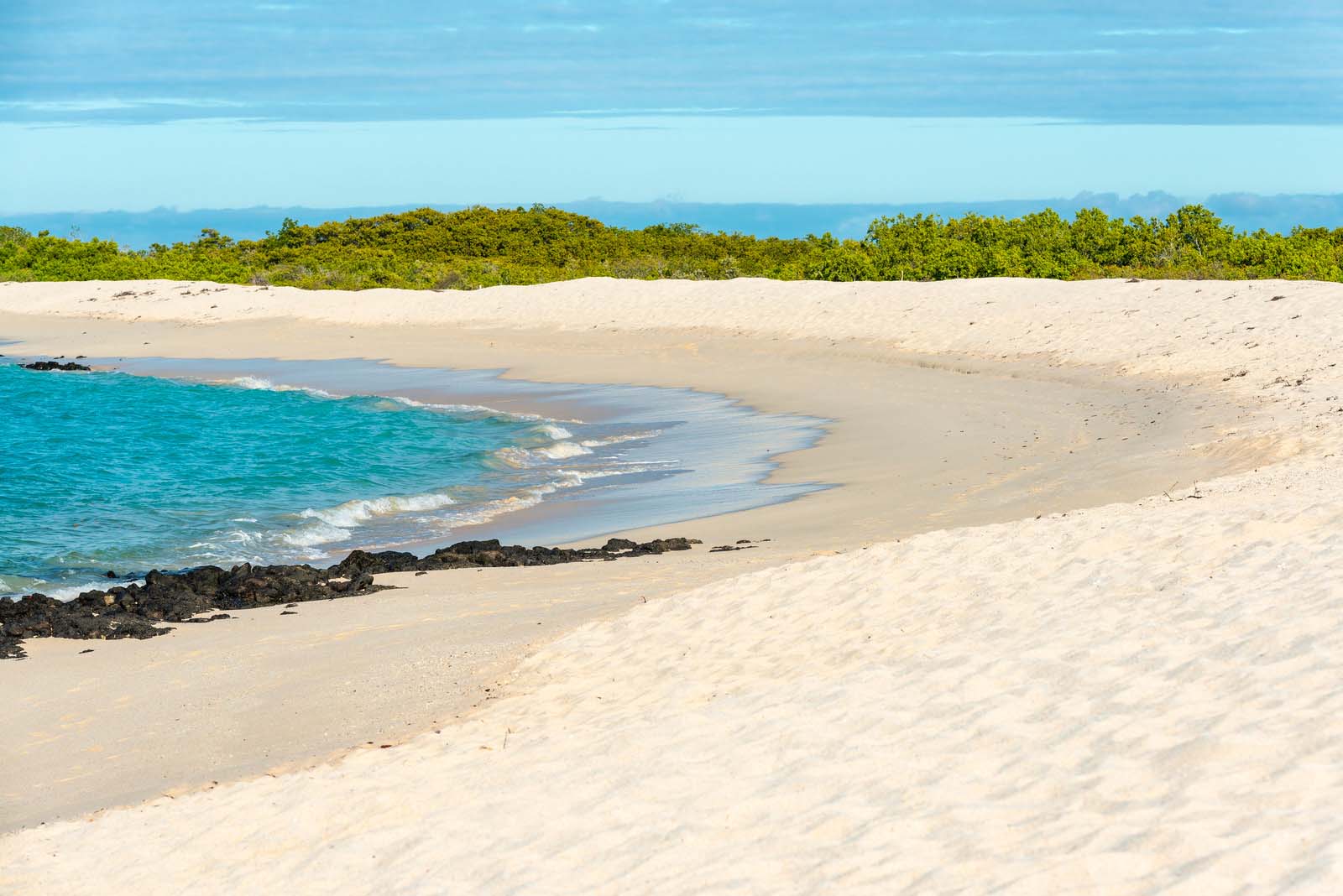
Santa Cruz
Main Town: Puerto Ayora
Hotel Range: Budget → boutique (widest choice)
Character: Busy, commercial, closest to main sites
Site Access: Highest — day tours to 8+ visitor sites
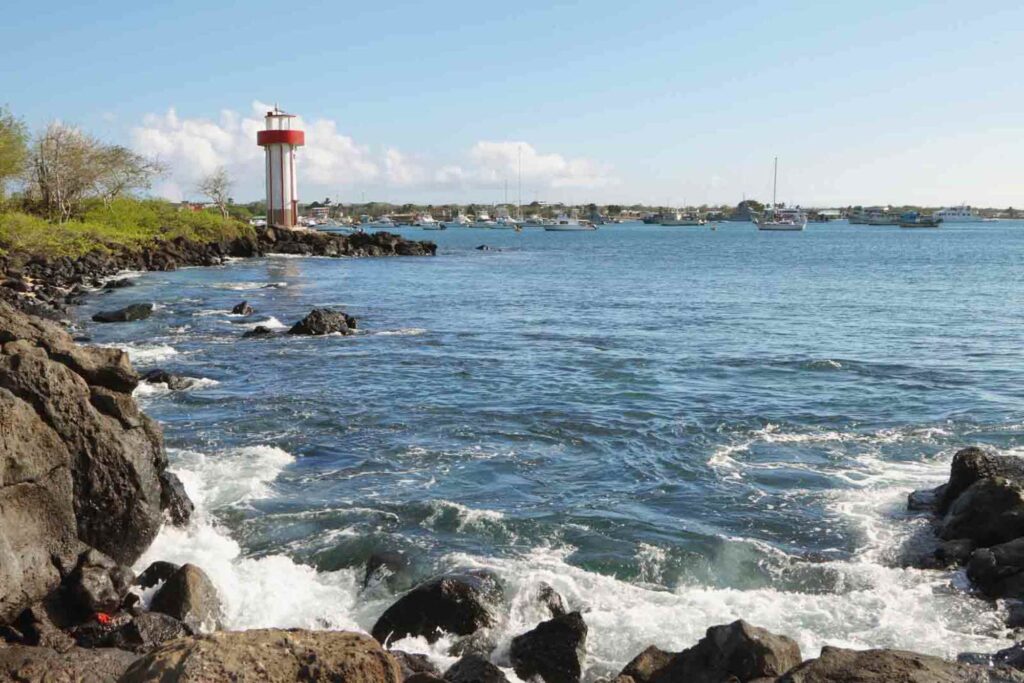
San Cristóbal
Main Town: Puerto Baquerizo Moreno
Hotel Range: Budget → mid-range (growing)
Character: Provincial capital; relaxed pace
Site Access: Good — Kicker Rock, Lobos, Española ferry
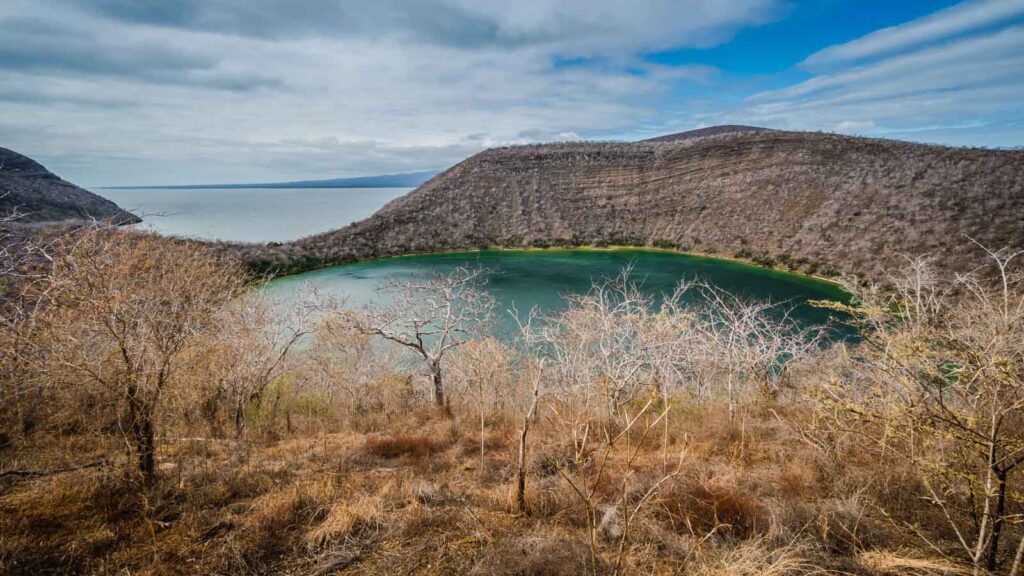
Isabela
Main Town: Puerto Villamil
Hotel Range: Guesthouses & small eco-lodges
Character: Quietest, most local feel
Site Access: Moderate — Sierra Negra, Tintoreras
Island
Main Town
Hotel Range
Character
Site Access
Puerto Ayora
Budget → boutique
(widest choice)
Busy, commercial,
closest to main sites
Highest — day tours
to 8+ visitor sites
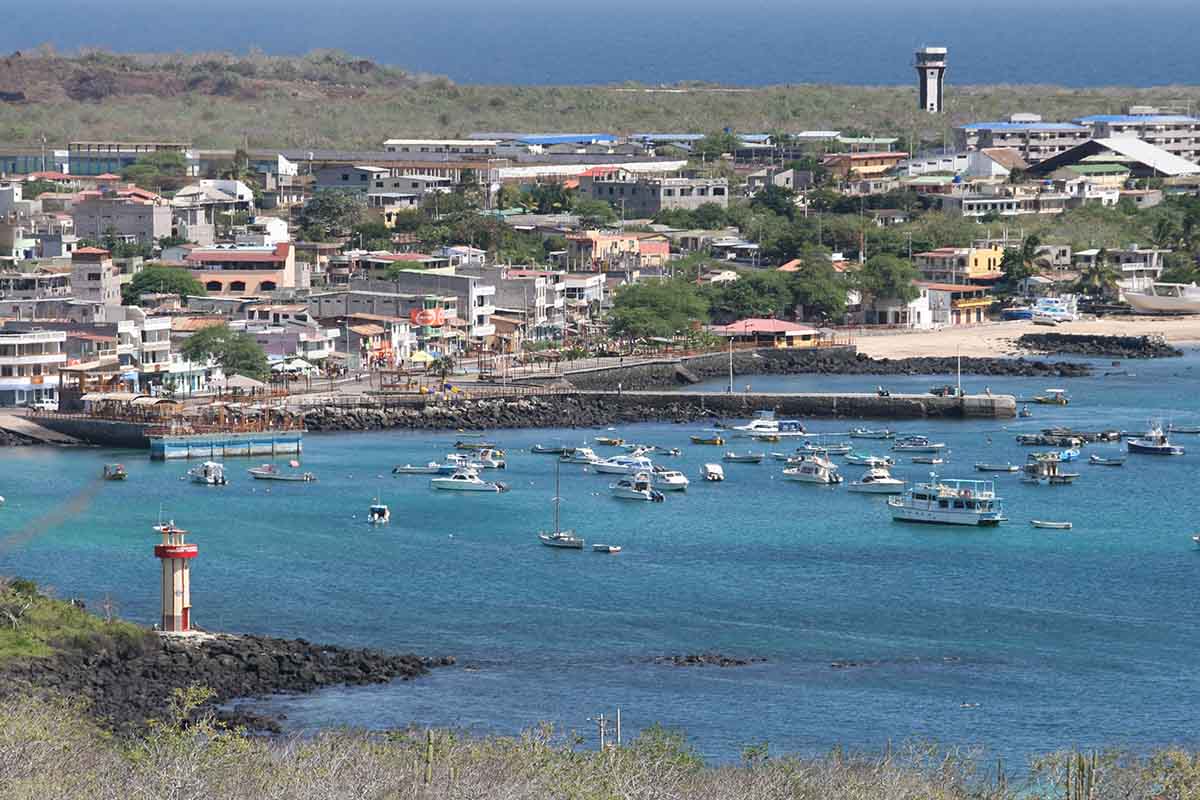
Puerto Baquerizo
Moreno
Budget → mid-range
(growing)
Provincial capital;
relaxed pace
Good — Kicker Rock,
Lobos, Española ferry
Puerto Villamil
Guesthouses &
small eco-lodges
Quietest, most
local feel
Moderate — Sierra
Negra, Tintoreras
Santa Cruz — the Main Hotel Hub
Puerto Ayora is the largest and busiest town in the Galápagos and the default base for most independent travelers. It has the widest range of accommodation, the most restaurants, the largest concentration of day-tour operators, and the closest road access to the highlands. The town sits on the south coast of Santa Cruz Island, about a 45-minute bus ride from Baltra Airport — the main inter-island air hub.
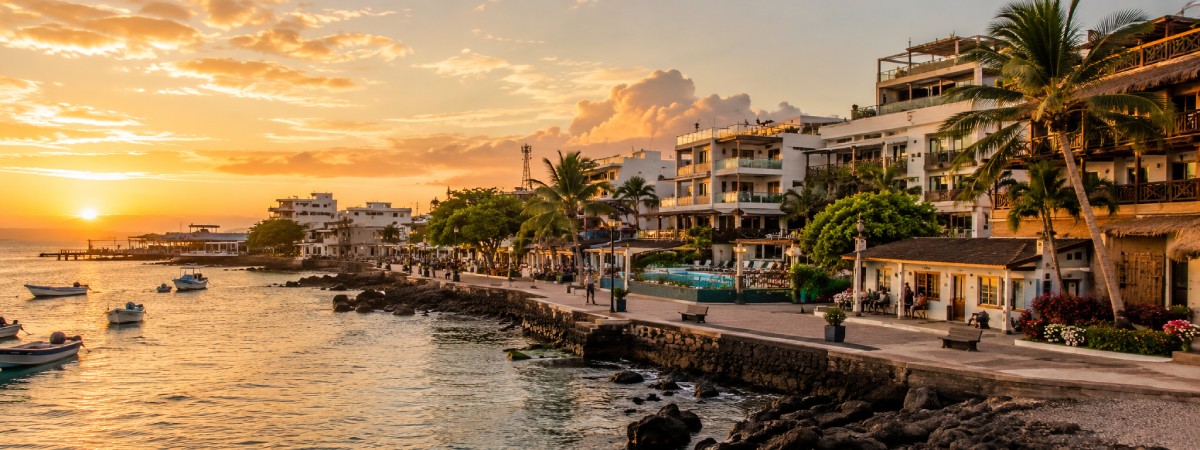
Budget Options
Budget accommodation in Puerto Ayora is ideal for travelers looking for a practical and affordable stay. These properties provide basic but functional rooms and are conveniently located close to many of the town’s main attractions.
- $40–$80 per night
- Family-run hostels
- Walk to the waterfront
- Air-conditioned rooms
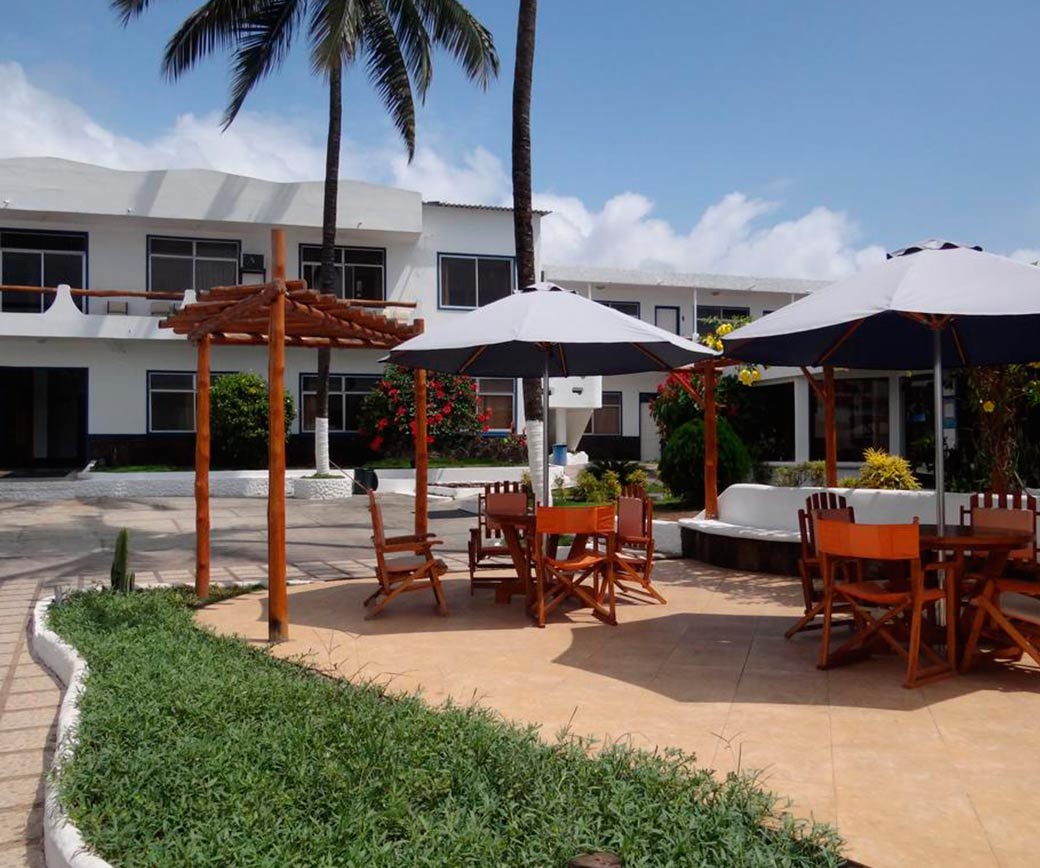
Mid-Range
Mid-range accommodation in Puerto Ayora is the most popular choice for independent travelers spending three to five nights on Santa Cruz. These hotels provide a comfortable stay with practical amenities and services designed for visitors exploring the island.
- $80–$200 per night
- Swimming pools
- In-house restaurants
- Day-tour booking services
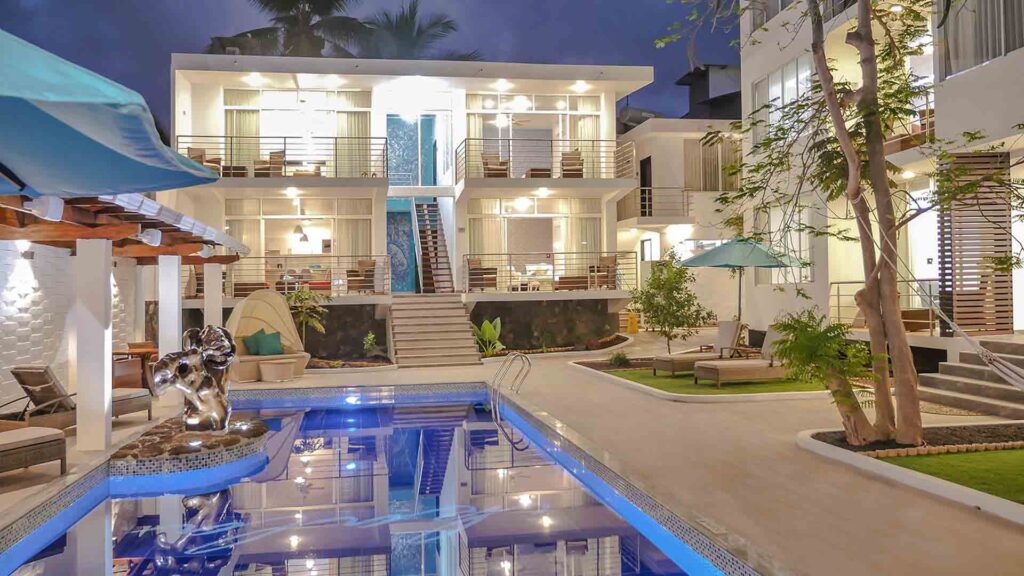
Boutique and Upscale
Boutique and upscale accommodation in the Galápagos focuses on personalized service, eco-conscious hospitality, and close access to nature rather than large resort-style experiences. Most properties are locally managed boutique hotels with a limited number of rooms, offering a quieter and more intimate stay.
- Under 40 rooms
- Eco-focused stays
- Guided activities
- Wildlife proximity
What You Can Reach from Santa Cruz
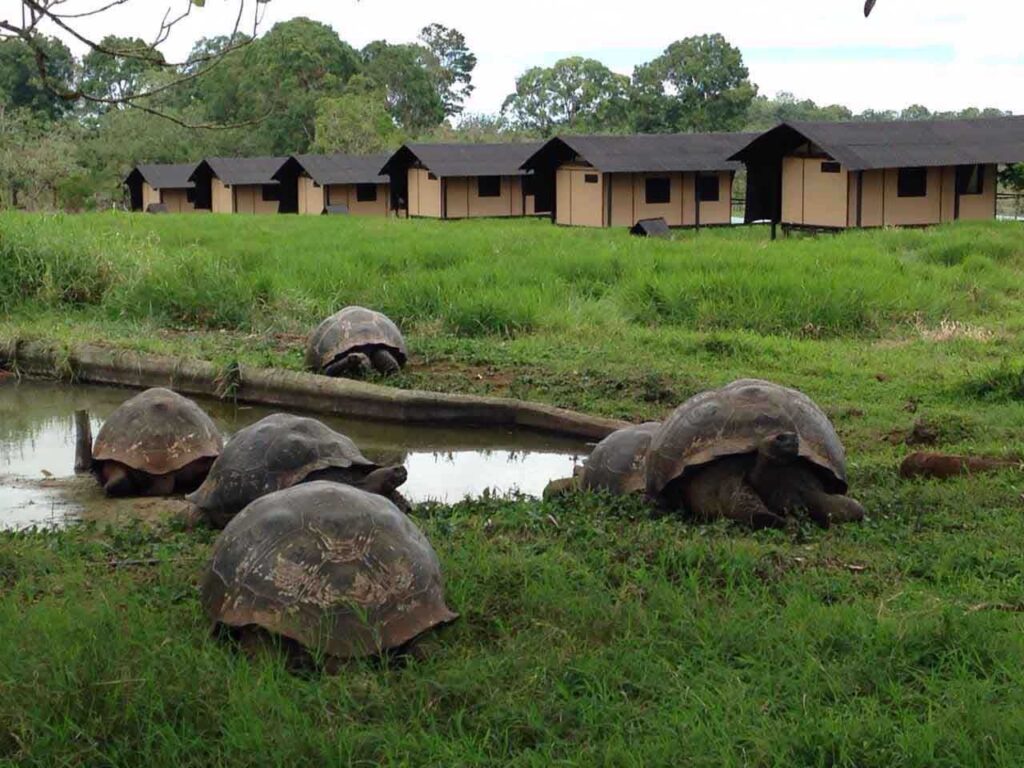
Day tours from Puerto Ayora provide access to: Tortuga Bay (walking distance), the Charles Darwin Research Station, the Giant Tortoise Reserve in the highlands, Bartolomé, Sullivan Bay, Santa Fe Island, North Seymour, South Plaza, and Las Bachas Beach on the north coast. These are some of the Galápagos's most-visited and most rewarding sites. Santa Cruz is the strongest land base in terms of site variety.
San Cristóbal — The Capital
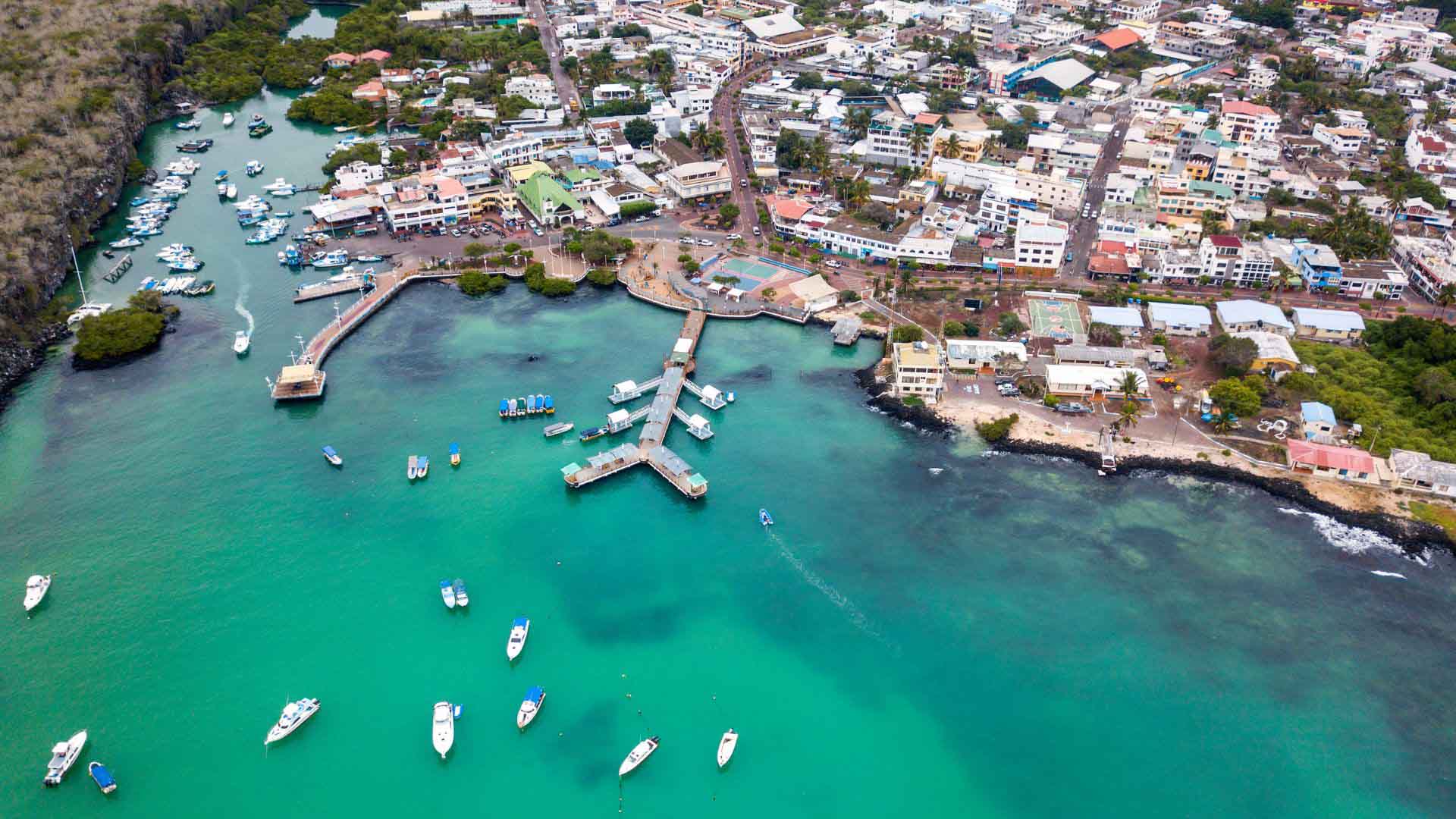
Puerto Baquerizo Moreno on San Cristóbal is the administrative capital of the Galápagos Province — a fact that surprises many visitors who assume the largest town would hold that title. The capital designation makes San Cristóbal home to provincial government offices, courts, and a slightly more formal civic infrastructure than Puerto Ayora. The town itself is smaller and quieter, with a pleasant seafront promenade and a more unhurried pace.
San Cristóbal Airport receives direct flights from Guayaquil and Quito, making it the entry point for a significant number of visitors, particularly those routing through Guayaquil. Some itineraries fly into San Cristóbal and out of Baltra (or vice versa), which works well for visitors who want to spend time on both islands without backtracking.
Hotel Range
The hotel range on San Cristóbal is smaller than Santa Cruz but continues to grow. Most accommodations in Puerto Baquerizo Moreno are focused on practical stays for visitors using the town as a base before or after exploring other islands
Growing selection of accommodations in San Cristóbal
Mainly budget and mid-range hotel options
Ideal base for two- to three-night stays
Growing selection of accommodations in San Cristóbal
Mainly budget and mid-range hotel options
Ideal base for two- to three-night stays
The Headline Attraction: Kicker Rock
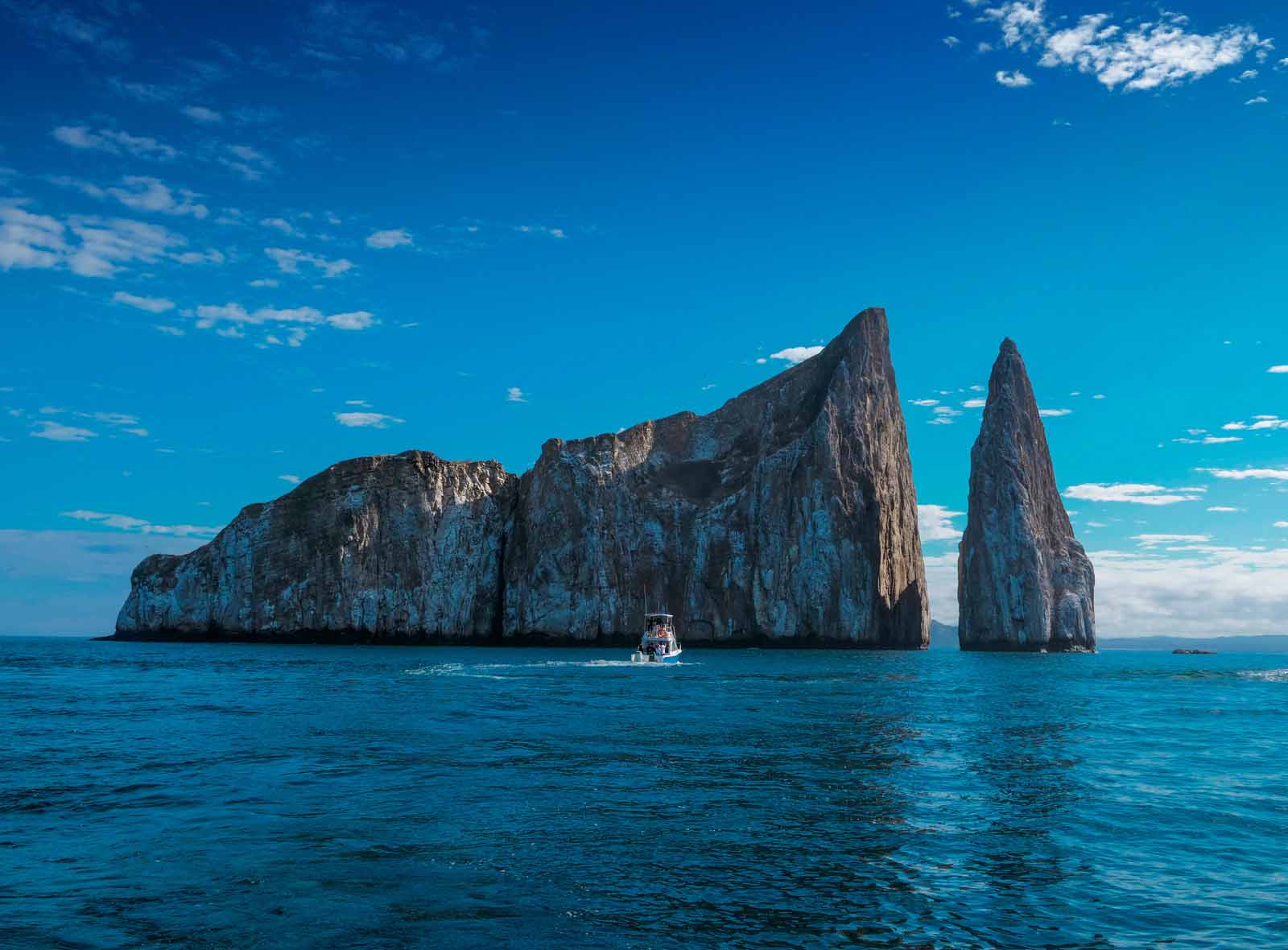
Kicker Rock (León Dormido) is San Cristóbal’s signature day tour and one of the most popular marine attractions in the Galápagos. This volcanic rock formation is a key destination for visitors seeking snorkeling and diving experiences with abundant marine life.
15 km from Puerto Baquerizo Moreno
Shark and eagle ray sightings
Top snorkeling and diving site
15 km from Puerto Baquerizo Moreno
Shark and eagle ray sightings
Top snorkeling and diving site
Isabela — The Quiet Island
Puerto Villamil on Isabela is the least developed of the three inhabited towns — and that is precisely its appeal. The streets are unpaved in places, sea lions nap on benches along the boardwalk, and the pace is genuinely local. Isabela is the largest island in the Galápagos by area but has the smallest permanent population among the three inhabited islands with accommodation.
This is a place to come for the Sierra Negra volcano, the Tintoreras islets, the flamingo lagoons, and the Wall of Tears. It is not a place to come for a wide choice of restaurants or reliable high-speed connectivity. Visitors who value a quieter, more local experience consistently rate Isabela as a highlight — but it works best as part of a multi-island itinerary rather than a sole destination.
Accommodation
Isabela’s accommodation is almost entirely small guesthouses and eco-lodges. Hotels tend to be 10–20 rooms, family-operated, and priced in the budget to lower mid-range tier. Hotel Albemarle is one of the most recognised properties: a 16-room beachfront hotel on Cuna del Sol Beach in Puerto Villamil, with a pool, sea-view rooms, and an in-house restaurant. It sits approximately two kilometres from General Villamil Airport.
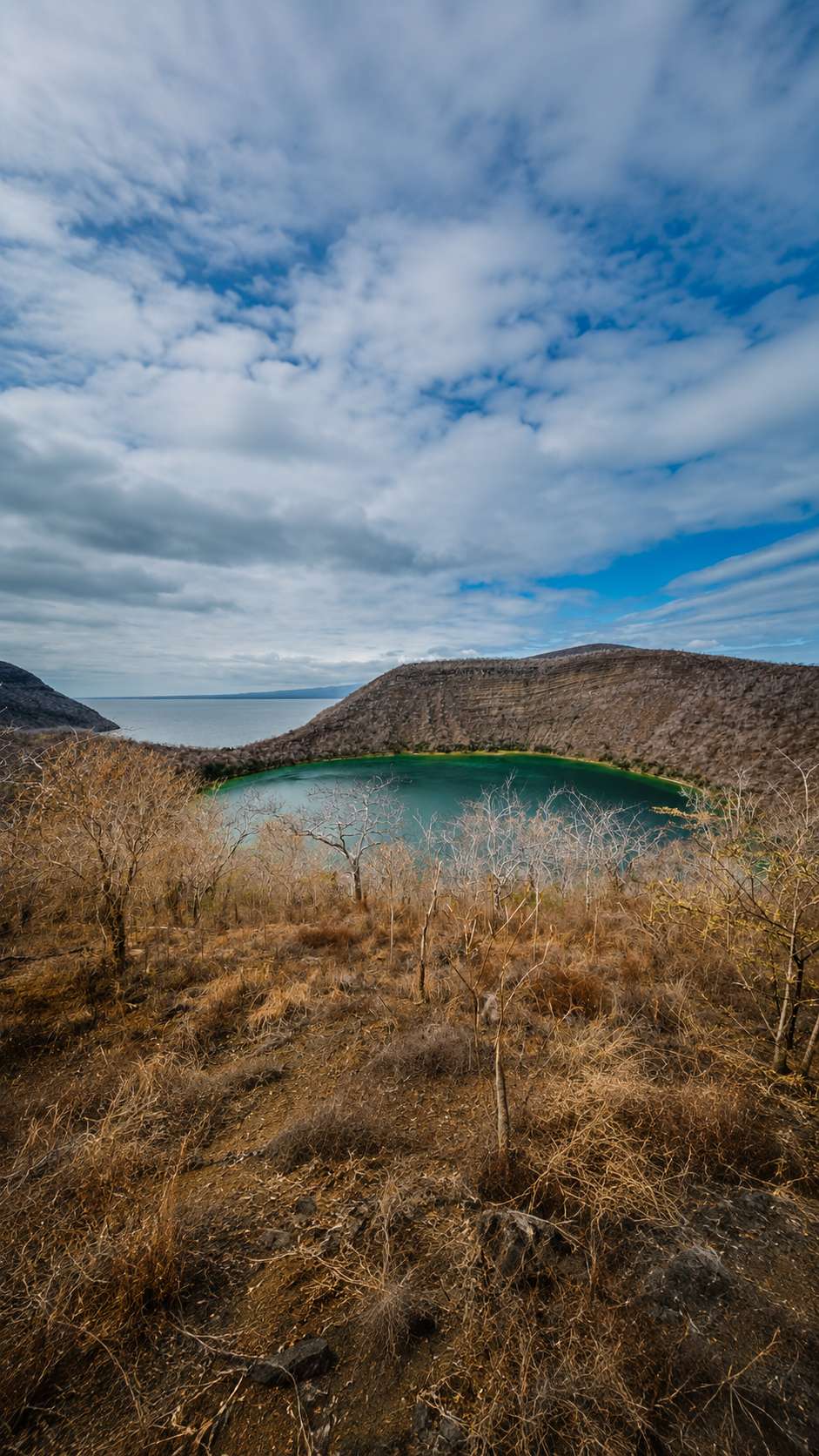
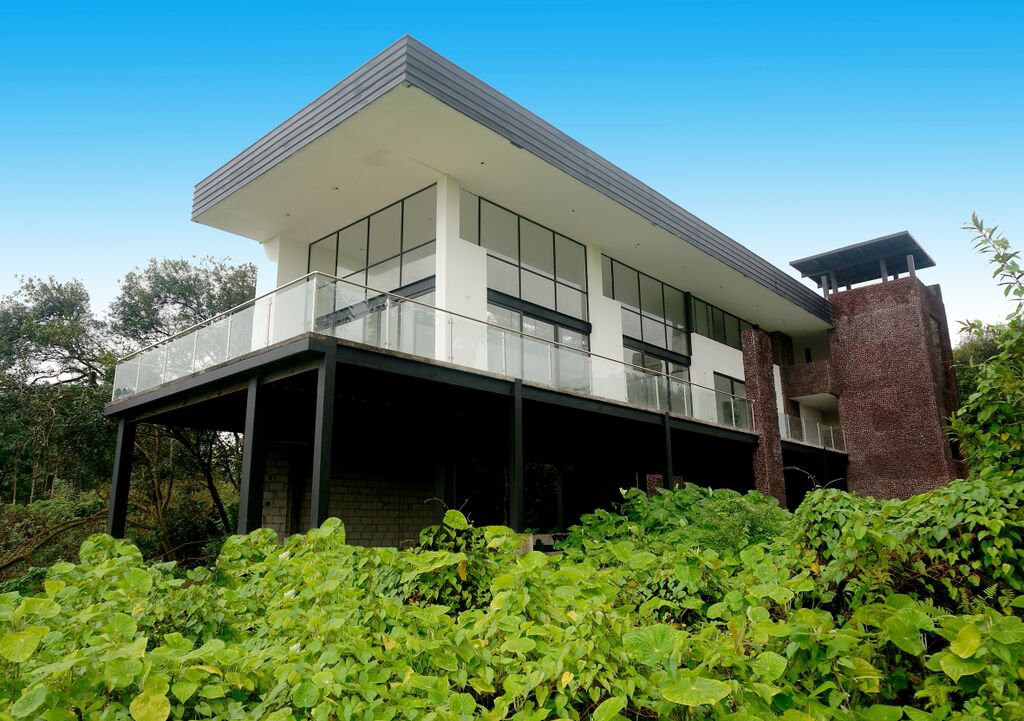
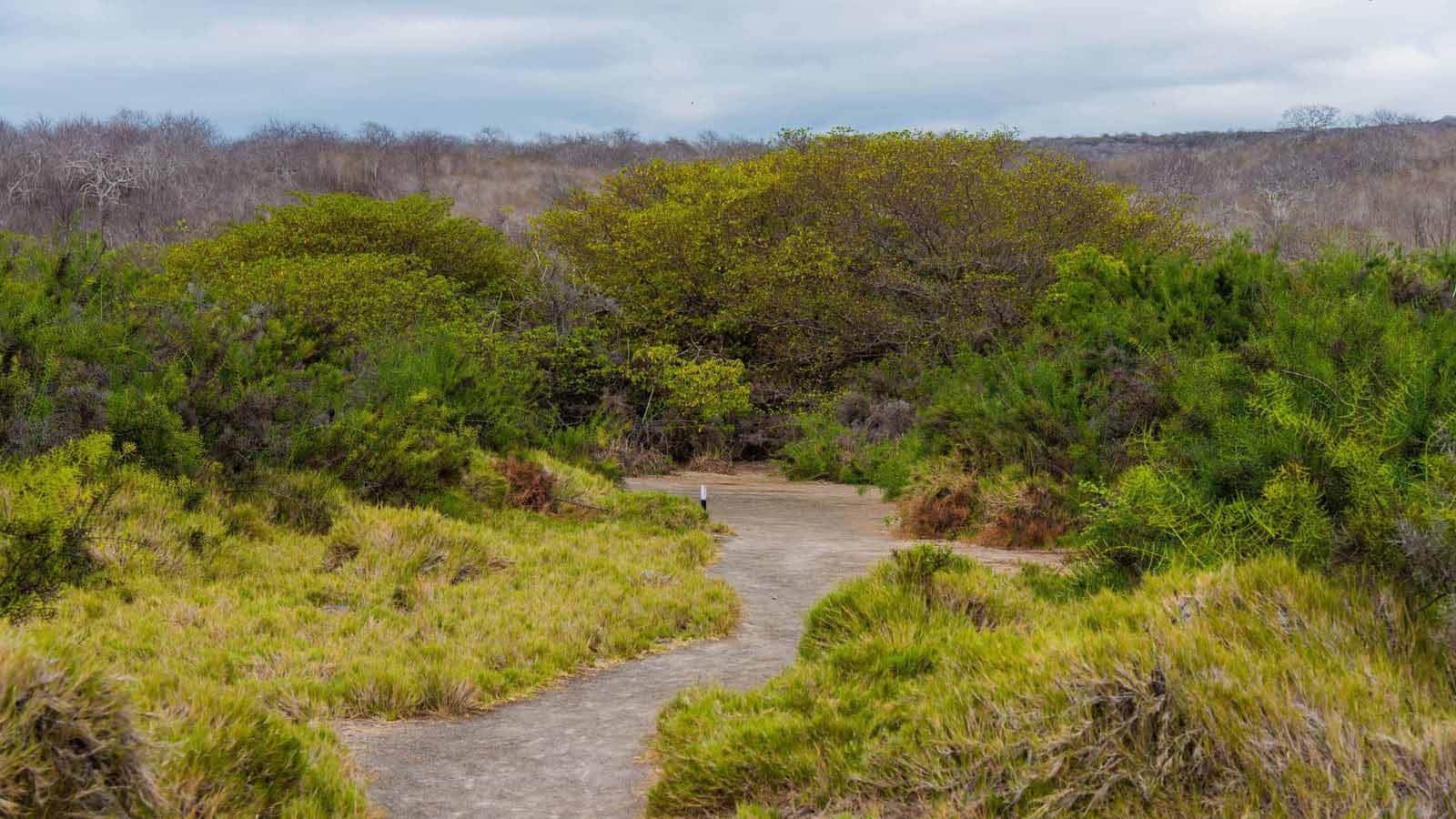
Scalesia Lodge is a highlands eco-property on Isabela, situated on the volcanic slopes approximately 20 minutes from Puerto Villamil town. The lodge operates a modern safari-tent format across 16 hectares of forest, with views over the Pacific and toward neighbouring islands. It targets the boutique eco-lodge market and is used by some tour operators as part of multi-island land packages.
Accommodation
Isabela’s accommodation is almost entirely small guesthouses and eco-lodges. Hotels tend to be 10–20 rooms, family-operated, and priced in the budget to lower mid-range tier. Hotel Albemarle is one of the most recognised properties: a 16-room beachfront hotel on Cuna del Sol Beach in Puerto Villamil, with a pool, sea-view rooms, and an in-house restaurant. It sits approximately two kilometres from General Villamil Airport.
Scalesia Lodge is a highlands eco-property on Isabela, situated on the volcanic slopes approximately 20 minutes from Puerto Villamil town. The lodge operates a modern safari-tent format across 16 hectares of forest, with views over the Pacific and toward neighbouring islands. It targets the boutique eco-lodge market and is used by some tour operators as part of multi-island land packages.
Getting to Isabela
Isabela is reached by two routes: a 30-to-40-minute domestic flight from Baltra or San Cristóbal, or a two-hour public speedboat from Puerto Ayora on Santa Cruz. The boat route is popular with budget travelers and runs daily, typically departing in the morning. The crossing can be rough in rough-weather months — the boat is open-sided, and sea sickness is common. The flight, where available, is the smoother option.
Cruise vs. Land-Based — The Honest Answer
What You Gain with Hotels
Flexibility
Eat where you want, move at your own pace, stay longer on sites you love.
Lower cost
Hotel-based trips are generally less expensive than comparable cruise cabins, particularly for families
Local food and culture
Puerto Ayora and Puerto Baquerizo Moreno have good restaurants, fish markets, and local bars
Comfort
A fixed hotel room for several nights is more comfortable than a small cabin on a moving vessel for some travelers.
Accessibility
Travelers with limited mobility or young children often find hotels more manageable than live-aboard vessels.
What You Lose
Fernandina Island (Punta Espinosa)
the most pristine volcanic island in the archipelago; flightless cormorants, marine iguanas in mass aggregations.
Genovesa Island (Tower Island)
the premier seabird island; red-footed boobies, Nazca boobies, frigatebirds, short-eared owls.
Española Island (Hood)
The oldest island; the only albatross nesting colony in the Galápagos (seasonal); Punta Suárez blowhole.
West Isabela coast (Tagus Cove, Urbina Bay)
Accessible only by overnight cruise vessels; significant volcanic and wildlife interest.
What You Gain with Hotels
Flexibility
Eat where you want, move at your own pace, stay longer on sites you love.
Lower cost
Hotel-based trips are generally less expensive than comparable cruise cabins, particularly for families
Local food and culture
Puerto Ayora and Puerto Baquerizo Moreno have good restaurants, fish markets, and local bars
Comfort
A fixed hotel room for several nights is more comfortable than a small cabin on a moving vessel for some travelers.
Accessibility
Travelers with limited mobility or young children often find hotels more manageable than live-aboard vessels.
What You Lose
Fernandina Island (Punta Espinosa)
the most pristine volcanic island in the archipelago; flightless cormorants, marine iguanas in mass aggregations.
Genovesa Island (Tower Island)
the premier seabird island; red-footed boobies, Nazca boobies, frigatebirds, short-eared owls.
Española Island (Hood)
The oldest island; the only albatross nesting colony in the Galápagos (seasonal); Punta Suárez blowhole.
West Isabela coast (Tagus Cove, Urbina Bay)
Accessible only by overnight cruise vessels; significant volcanic and wildlife interest.
If seeing albatrosses nesting on Española or exploring the far-west volcanic islands is on your list, a cruise is the only way to do it. A land-based trip cannot replicate that, regardless of budget. Be honest with yourself about what you want from the visit.
The Hybrid Option
The most popular high-value itinerary structure is: cruise first (7 nights covers the main offshore sites), then extend with two to three nights on Santa Cruz or San Cristóbal. The extension adds Highland tortoise viewing, the Charles Darwin Research Station, Kicker Rock diving, and a chance to shop and eat in town without the structure of a guided vessel schedule. Voyagers Travel Company builds itineraries on exactly this model. Internal links: see the Galápagos Cruises Hub (/cruises/) and Best Time to Visit (/planning/best-time-to-visit/) for complementary planning guidance.
When to Book and What to Expect
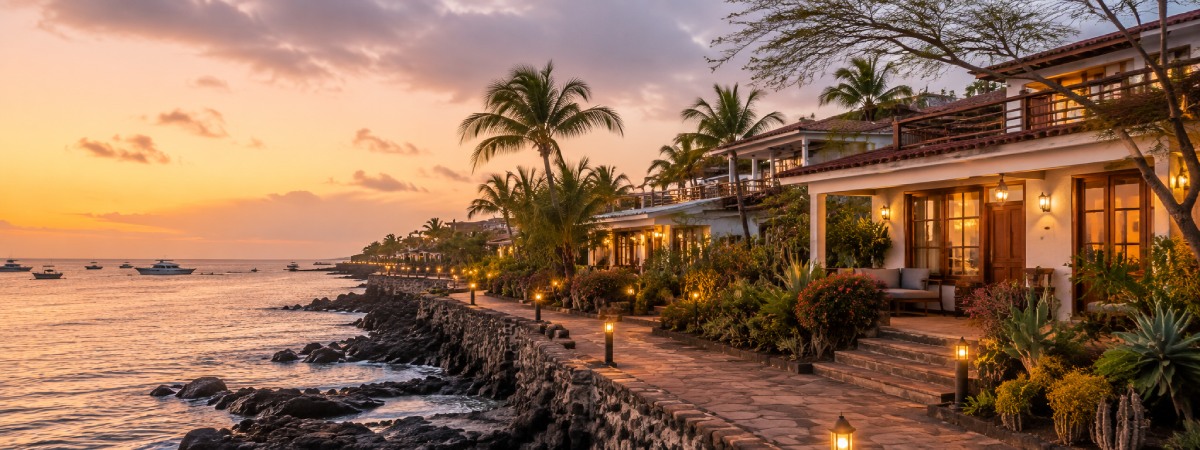
Galápagos hotels are not large resort properties with automated check-in kiosks. Most are small, often family-run operations where the owner or a family member is likely to greet you personally. Expect limited front-desk hours at budget properties, flexible check-in arrangements, and a very different pace to mainland hotel stays. This is a feature, not a bug — but it requires some advance coordination.
Booking Lead Times
High season: June–August and December–early January
Boutique and upscale hotels: Book 3–6 months ahead
Mid-range properties: Book 1–3 months ahead
San Cristóbal and Isabela: More availability but limited during peak weeks
Advance booking: Recommended for all accommodations
Sustainability Certifications
Smart Voyager certification: Recognized environmental standard for Galápagos tourism
Rainforest Alliance certification: Another credible sustainability certification
Covers key areas: Waste, water, energy, staff welfare, and community engagement
Sustainable properties: Some operate responsibly without formal certification
Certification filter: Useful when comparing accommodation options
Booking Lead Times
High season: June–August and December–early January
Boutique and upscale hotels: Book 3–6 months ahead
Mid-range properties: Book 1–3 months ahead
San Cristóbal and Isabela: More availability but limited during peak weeks
Advance booking: Recommended for all accommodations
Sustainability Certifications
Smart Voyager certification: Recognized environmental standard for Galápagos tourism
Rainforest Alliance certification: Another credible sustainability certification
Covers key areas: Waste, water, energy, staff welfare, and community engagement
Sustainable properties: Some operate responsibly without formal certification
Certification filter: Useful when comparing accommodation options
Plan Your Stay
Voyagers Travel Company builds complete land-based Galápagos itineraries combining hotels on Santa Cruz, San Cristóbal, and Isabela with pre-booked day tours, activity guides, and inter-island transfers. Every itinerary is tailored — there are no fixed packages. If you want a week on land with confident logistics and local support, this is the right starting point.
For travel agents, tour operators, and wholesale partners: Latin Trails operates as a specialist DMC in the Galápagos and mainland Ecuador. Trade and group inquiries for hotel block allocations and land-based touring can be directed through the trade channel.
Frequently Asked Questions
Santa Cruz (Puerto Ayora) has the widest choice, the best upscale properties, and the most day-tour access. For most first-time visitors, Santa Cruz is the right base. San Cristóbal is better suited to those who value quiet over variety, or who specifically want to do Kicker Rock diving. Isabela is for travelers who want the most local, least developed experience and are content with limited dining and activity options.
Yes. A well-planned land-based trip covering Santa Cruz, San Cristóbal, and Isabela with day tours can be a deeply satisfying Galápagos visit. You will see giant tortoises, marine iguanas, blue-footed boobies, sea lions, penguins (around Santa Cruz and San Cristóbal), flamingos, and more. What you will not see are the sites that require overnight vessel access: Fernandina, Genovesa, Española, and the west Isabela coast. If those sites matter to you, a cruise is necessary.
Santa Cruz has more hotels, more day-tour departures, more restaurants, and access to the highest-profile boutique properties. San Cristóbal has a quieter atmosphere, its own distinct sites (Kicker Rock, Cerro Brujo beach, the Interpretation Centre), and a slightly more authentic small-town feel. Both have airports. Many visitors do both — fly into one and take the inter-island speedboat or flight to the other.