
Where Darwin First Stepped Ashore
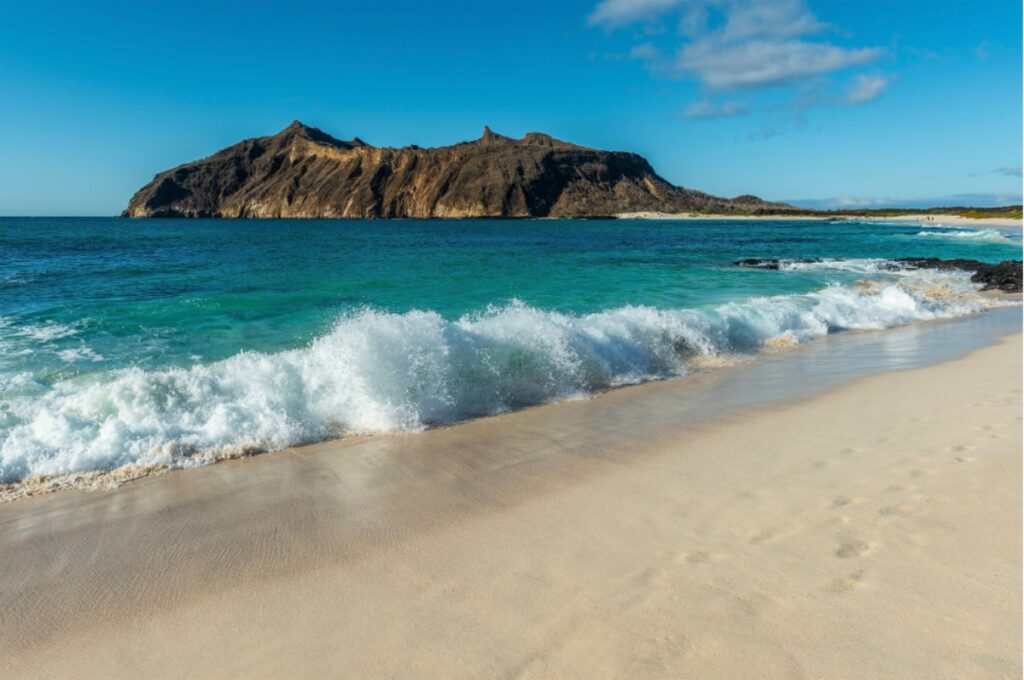
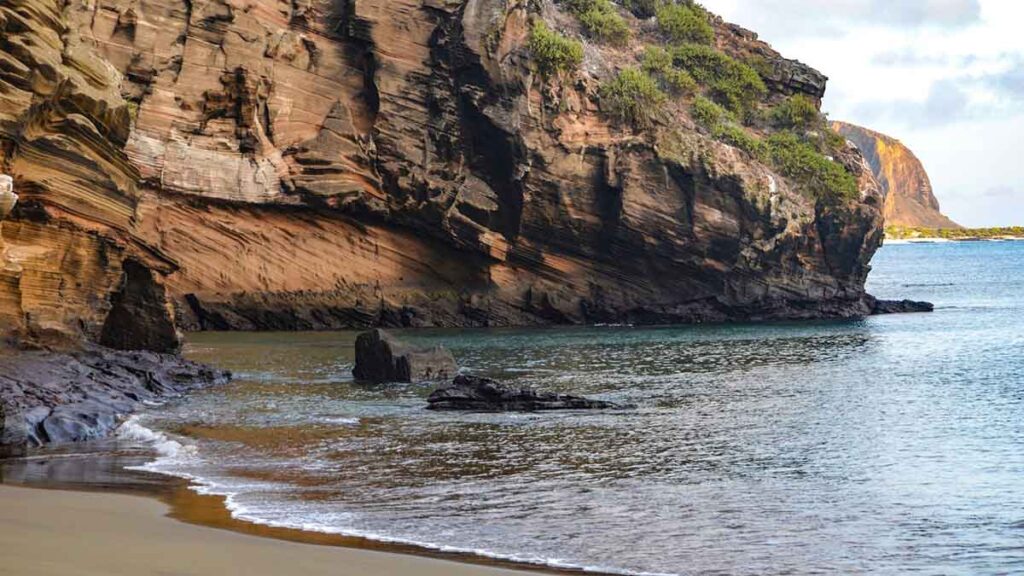
On September 17, 1835, Charles Darwin, who was then a young naturalist, first set foot on a black lava shore. The crew of the HMS Beagle called it Chatham Island. Today, it is known as San Cristóbal, the easternmost of the Galápagos Islands, and the one that changed the course of science more than any other.
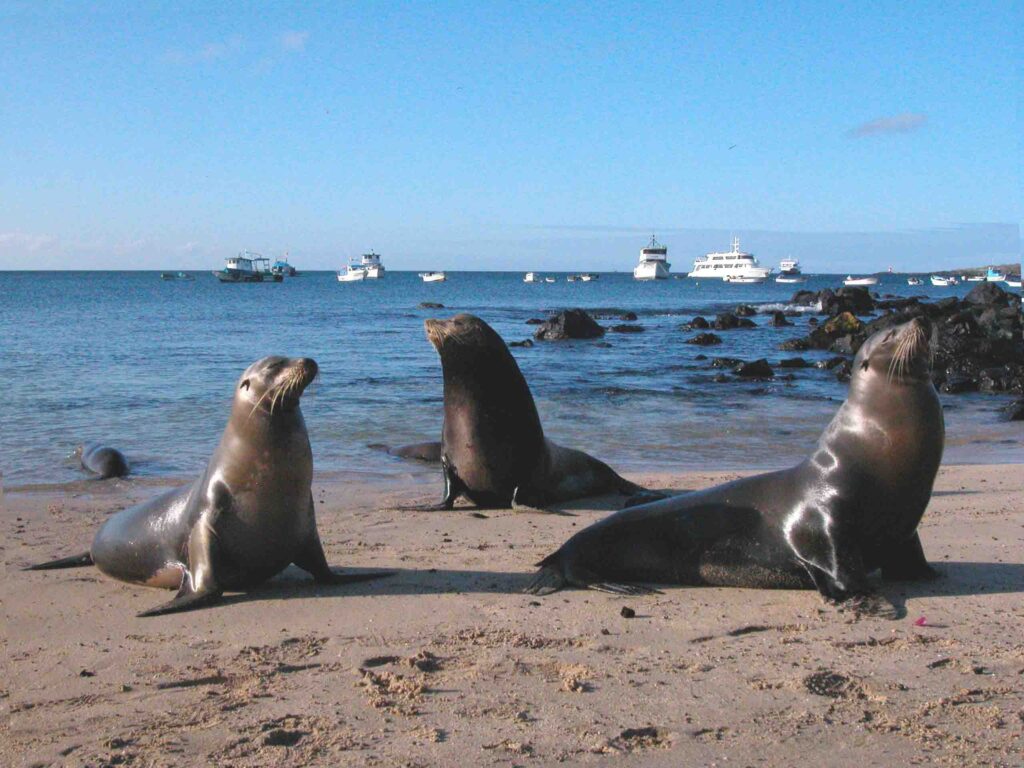
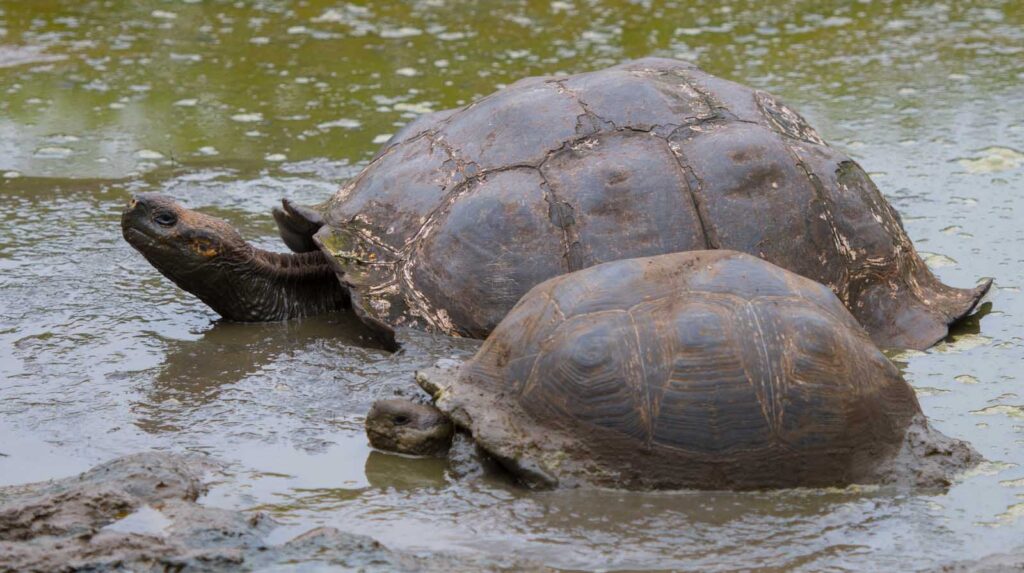
Darwin spent four days exploring the island, noting a landscape that seemed to belong to a different world entirely. He observed the cracked lava fields, sparse vegetation, and creatures that didn’t fear humans. Mockingbirds seemed to differ by island. Tortoises from different islands carried distinct shell morphologies. Neither of these observations immediately made sense to him then. It was only years later, as he worked through his notebooks, that the pattern solidified into what would become the theory of evolution by natural selection.
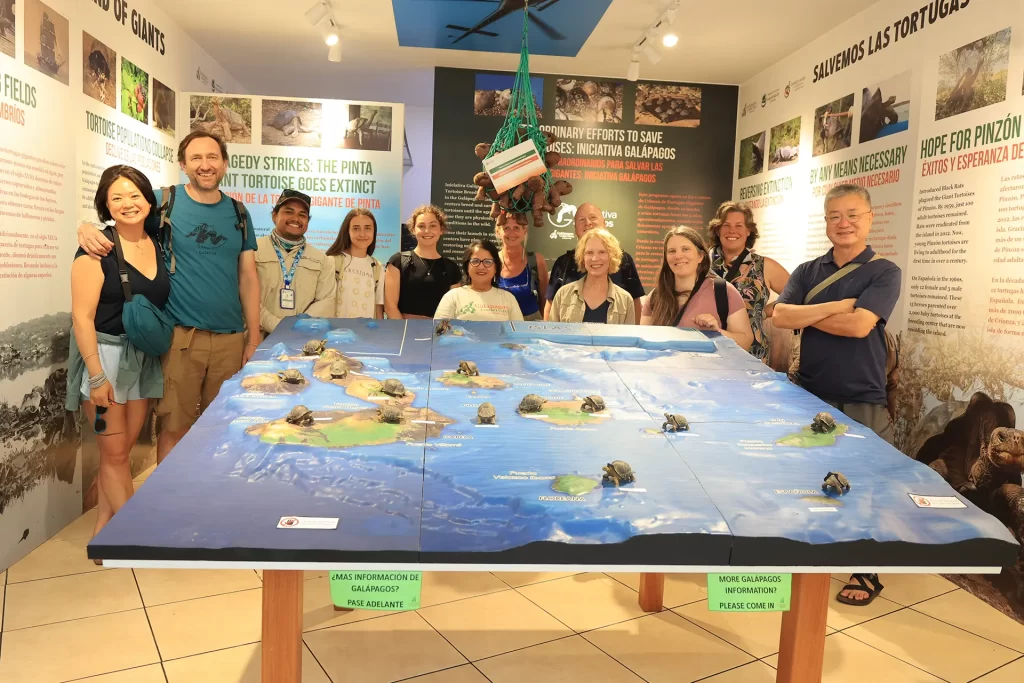
Visitors to San Cristóbal today can follow Darwin’s footsteps. The Centro de Interpretación (Interpretation Center), at the edge of Puerto Baquerizo Moreno, s open daily from 6:00 AM to 6:00 PM and has a permanent exhibit that traces the geological formation of the archipelago, Darwin’s voyage, the history of failed colonization attempts, and the modern conservation movement that led to one of the world’s most successful protected ecosystems.
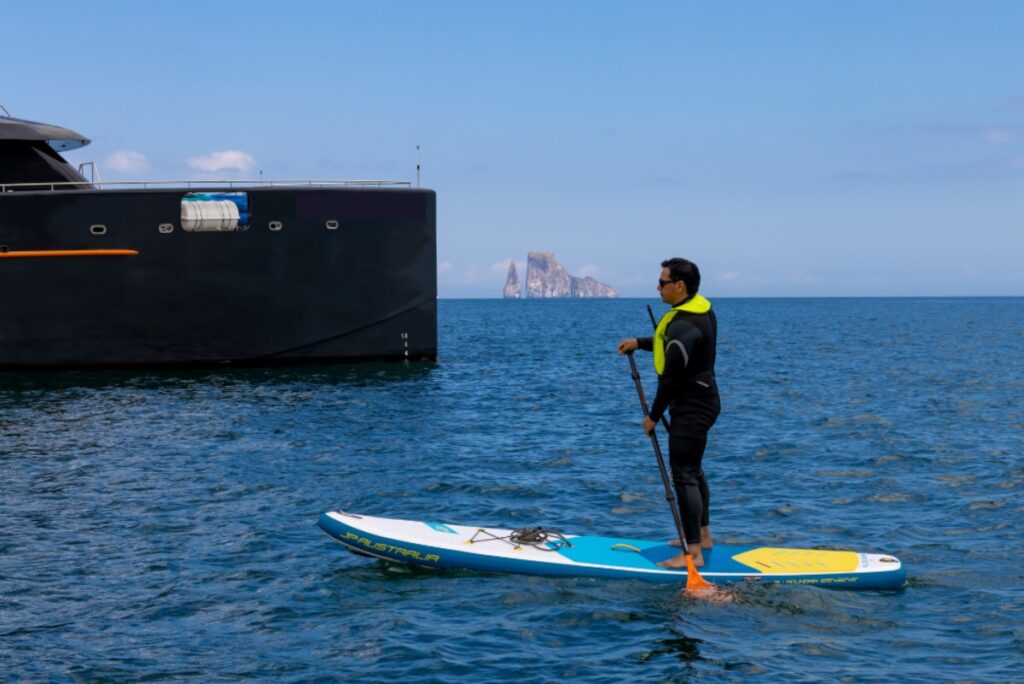
Visiting the Interpretation Center is free and is a recommended first stop for travelers. Cerro Tijeretas (Frigatebird Hill) is a short walk away along the coast. There, visitors can look over the bay and, on a clear morning, pick out Kicker Rock’s silhouette rising from the sea, just as Charles Darwin would have seen it.